Publisert 20. november 2023
What is freezing rain?
Freezing rain occurs when raindrops stay liquid even though they fall through air below freezing point. The drops freeze only when they hit a cold surface such as the road, and turn to ice at once. The risk is greatest when temperatures hover around 0 degrees.
The ice creates slippery and dangerous conditions for both vehicles and pedestrians, and can increase the risk of accidents.
Why prevention works best
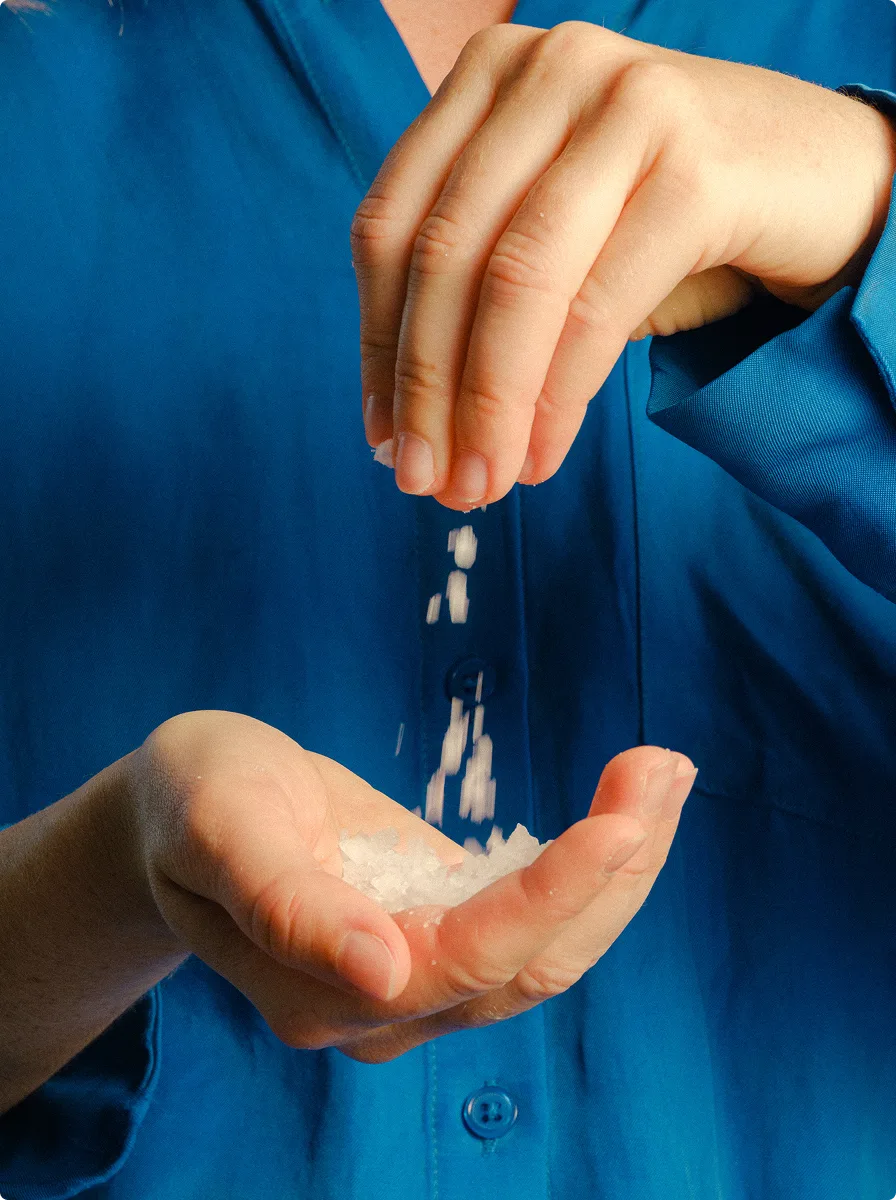
Road salt, usually sea salt, lowers the freezing point of the water on the road and stops ice from forming. The salt can be spread dry or applied as brine. To prevent ice from forming, the salt should be on the road before the rain arrives.
- Spread dry salt or brine before the rain arrives
- Salt in advance when rain is forecast and the temperature is around 0 degrees
- Use the right dosage, and avoid excessive salt use out of consideration for the environment, vehicles and infrastructure
A balancing act
Good winter maintenance means using the right amount of salt at the right time, which is less than the most salt possible. Excessive use can harm the environment, vehicles and the surrounding infrastructure.
Road salt should be applied before the rain arrives to prevent ice from forming.
Plan for a change in the weather
If you know rain may be coming and the temperature is around 0 degrees, the roads should be salted as a preventive measure. Using road salt correctly makes the roads safer and reduces the risk of slippery driving conditions.