What is freezing rain?
Freezing rain occurs when raindrops stay liquid in cold air but turn to ice the moment they hit a cold surface such as the road. The risk is greatest when the temperature hovers around zero degrees and moves up and down.
Why prevention works best
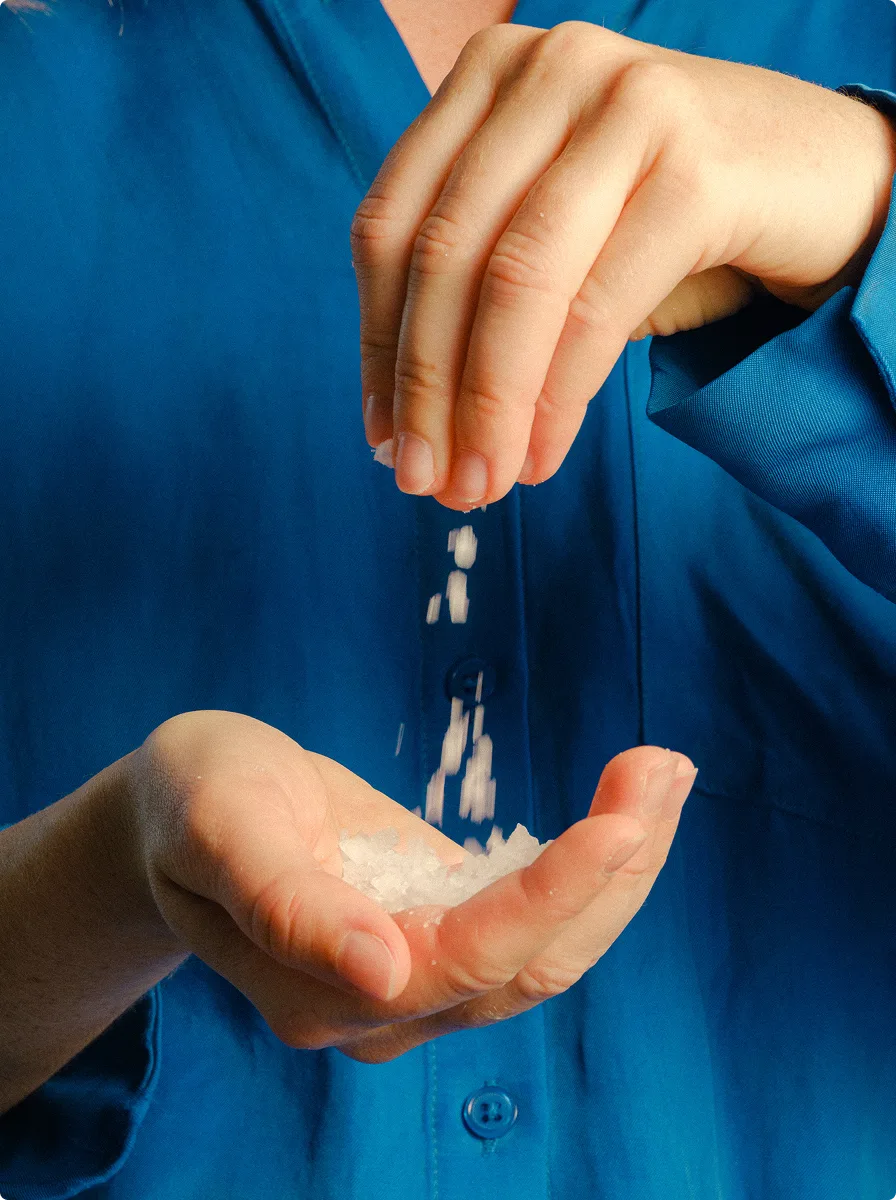
Salt lowers the freezing point of the water on the road and stops ice from bonding to the surface. The effect is greatest when the salt is spread before the precipitation arrives, not after the ice has already formed.
- Spread dry salt or brine ahead of the precipitation
- Keep an eye on the forecast when temperatures are near zero degrees
- Avoid excessive salt use out of consideration for the environment, vehicles and infrastructure
A balancing act
Good winter maintenance means using the right amount of salt at the right time, not as much salt as possible. Too much salt puts unnecessary strain on nature, and on roads and vehicles over time.
The best time to salt is before the ice has formed, not after.
Plan for weather changes
Follow the weather forecast and assess your salt needs before the temperature crosses the freezing point. That reduces the risk of slippery roads considerably.