Publisert 6. januar 2026
Winter maintenance that works over time
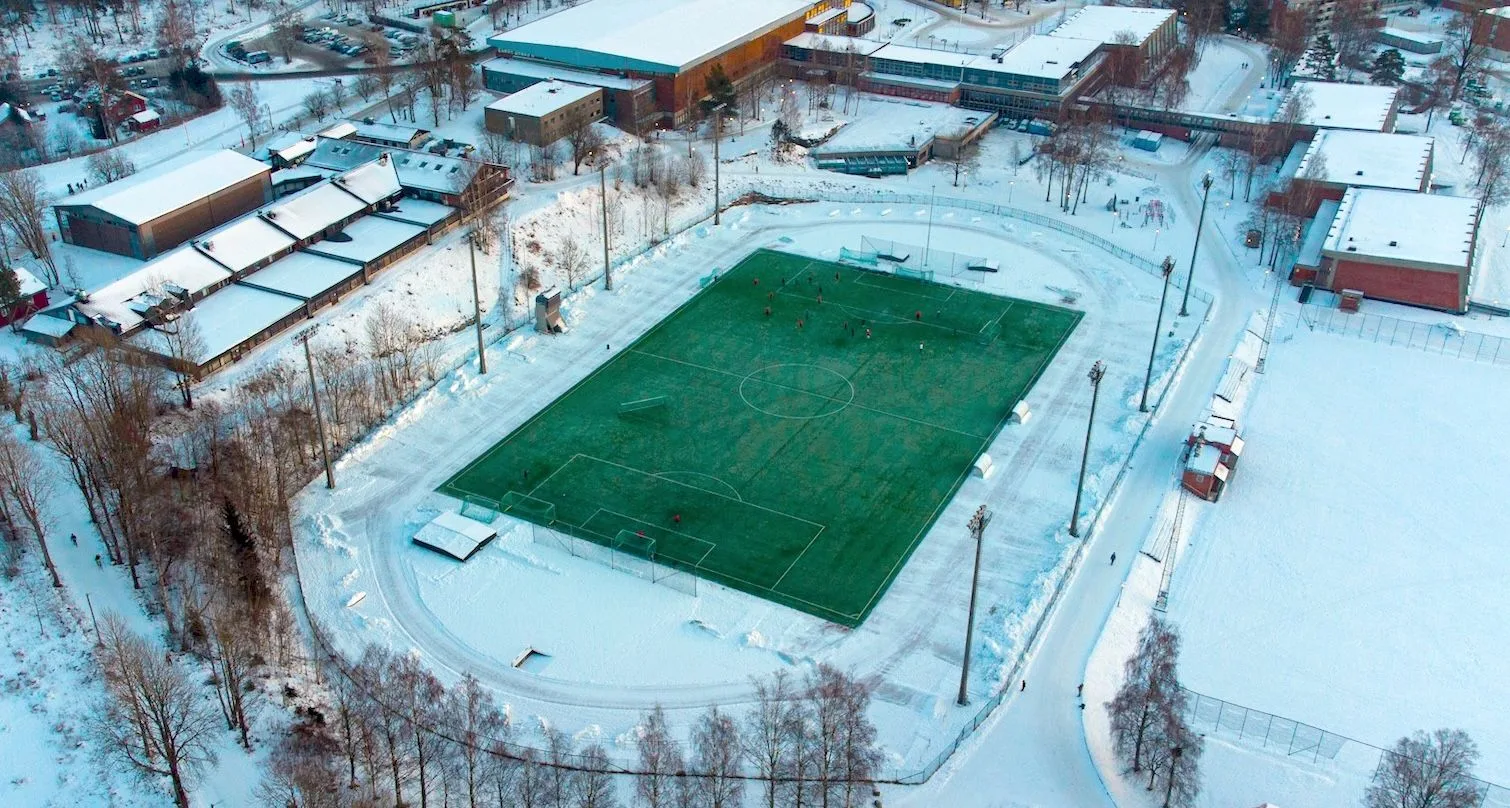
When you are responsible for an artificial turf pitch, winter maintenance is about what works over time as well as what works right now. Ice, snow and frost can quickly make a pitch unusable, and the wrong measures can be at least as costly as closing it. Proper winter maintenance of artificial turf pitches starts with the right salt.
In brief
- Salting is the most cost-effective way to keep a pitch open and safe through the winter season
- The right salting gives you better control of ice and surface conditions
- Artificial turf needs a different salt from roads and pavements to avoid wear and drainage problems
- Fine-grained rock salt melts effectively with minimal wear on the turf fibres
Salting is a maintenance measure all season long
Salt lowers the freezing point and prevents ice from forming before it causes problems. The result is fewer emergency measures, more open pitch time and a smoother operation. For you, that means:
- More predictable availability
- Less wear on the pitch
- A longer service life for the turf
- Lower costs for repair and rehabilitation
Artificial turf needs a different salt from roads and pavements
One of the most common mistakes in winter operations is using ordinary road salt (sea salt) on artificial turf pitches.
Sea salt is moister, and a thin film can form on the surface. The film can freeze quickly when the temperature drops, so the pitch becomes slippery again within a short time. You then often have to salt more frequently and in larger amounts to keep the effect. Over time the film can build up, worsen playing conditions and increase the risk of drainage problems.
Rock salt is drier and more stable in use, and works well at lower temperatures. It melts ice and snow faster and more effectively, without the same risk of build-up on the surface.
Rock salt is the right choice for artificial turf
Sea salt often has a varying grain size. High-quality rock salt is purified and gives a more controlled, predictable melting process. That makes rock salt far better suited to sensitive surfaces such as artificial turf.
Fine-grained salt gives better effect and less wear
Coarse road salt can contain dust, sand and crushed particles that settle between the turf fibres. This increases wear and can clog the drainage system. Fine-grained rock salt dissolves faster, spreads more evenly and gives the effect you want with a smaller amount of salt.
For that reason you should use rock salt made for artificial turf pitches, such as rock salt for artificial turf from Saltimport.
Avoid drainage problems and environmental criticism
Criticism of salting on artificial turf pitches is usually about incorrect use, and rarely about salt itself.
Salt with impurities increases the risk of both drainage problems and environmental impact. As the person responsible for operations, you should do the following.
- Choose salt with a low content of fines and impurities
- Apply the right dosage
- Spread evenly and under control
- Avoid salting at temperatures where the effect is limited
When the salt is clean and correctly dosed, it dissolves in the meltwater and drains away through the drainage system, without lingering in the pitch.
Recommended salt dosage for an artificial turf pitch
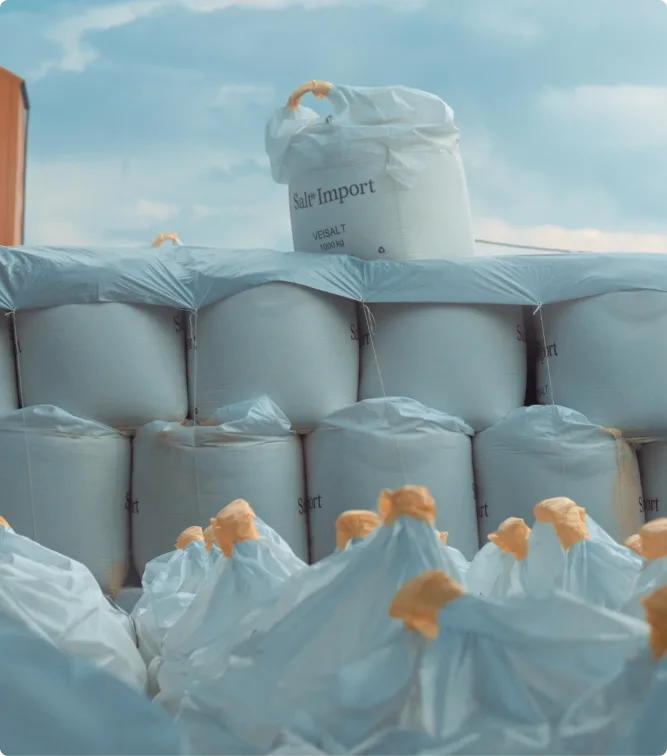
- Before the season starts, spread 3 to 5 big bags (BB) and brush the salt well into the surface. This gives the pitch a sufficient base amount of salt before the season begins.
- In mild weather during the season, add 1 big bag per 11-a-side pitch each time a mild spell arrives.
- Do not salt in sub-zero temperatures, or when there is snow or ice. Salt only during mild spells, when the effect is real.
Why sea salt increases costs over time
Coarse road salt is developed for asphalt. On football pitches and artificial turf it acts as an abrasive that gradually wears down both fibres and base. The damage does not happen overnight, but over time it has clear consequences.
- Worn turf fibres
- Reduced pitch quality
- Reduced drainage capacity
- More frequent and more expensive maintenance
Products intended for roads and snow melting should therefore not be used on artificial turf pitches. They raise operating costs and shorten the life of the pitch.
Contact us
Do you have questions about salt for artificial turf or football pitches, products, applications or ordering? Call us on +47 55 33 24 00 or send an email to salt@salt.no.