Publisert 11. mai 2026
The simplest way to cover salt requirements
A salt lick is the simplest and most practical way to make sure livestock get the salt they need. The animal takes salt on its own terms, when it needs it.
In brief
- All livestock regulate their own salt intake when they have free access to a salt lick
- A salt lick with copper suits cattle, horses and goats, but is harmful to sheep
- It is not permitted to use a salt lick containing copper for sheep. Always use a copper-free salt lick for sheep
- A salt lick should be available both on pasture and indoors, all year round
Salt licks for different animals
Different animals need different amounts of salt and different ingredients in the salt lick. What suits sheep does not necessarily suit cattle, horses and goats.
Sheep need a copper-free salt lick
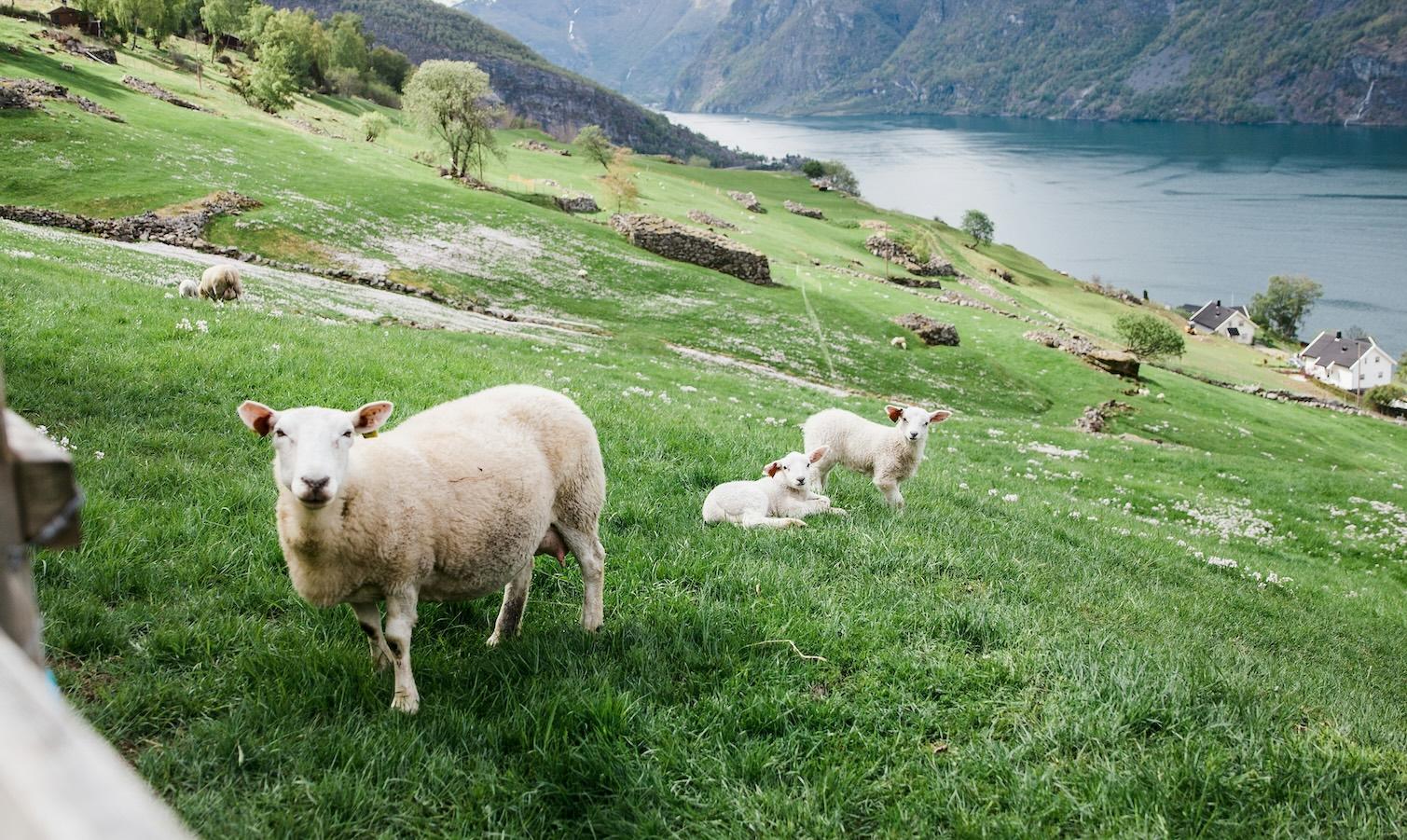
Sheep do not tolerate copper and can become seriously ill from too high an intake. Always use a copper-free salt lick for sheep, including in mixed herds where sheep and cattle graze together.
Cattle and goats tolerate copper
Cattle and goats have a higher copper requirement and tolerate a salt lick with copper well. Copper supports the immune system and fertility, and deficiency is fairly common in Norwegian grazing.
Horses regulate their intake themselves
Horses readily take more salt in periods of heavy sweating and physical activity. A salt lick with copper suits them well and can hang in the stable or stand in the paddock or loose housing.
A salt lick should always be available
The need for salt is not seasonal in the sense that animals only need it in summer. Livestock should also have access to a salt lick indoors in winter. Dry indoor feed, high fibre content and little fresh forage can actually increase the salt requirement.
Rules of thumb for placement
- Protect the lick from direct rain and moisture
- Do not place the salt lick in busy passageways
- Provide one lick per group of animals, rather than one for the whole herd
- Check regularly that the lick has not been used up
Is it permitted to put out a salt lick?
It is permitted to put out a salt lick for animals, but it is not permitted to use a salt lick containing copper for sheep. This is a specific requirement linked to sheep having a low tolerance for copper, and applies only to that case. If you use a copper-containing salt lick for sheep, you break the rules on proper animal husbandry.
"We find that many people are unaware of the copper issue until they have had sheep and cattle grazing together. It is an easy mistake to avoid, but the consequences can be serious. Always check the ingredients on the lick before you put it out."
Thomas Davidsen, Saltimport
If you choose a copper-free salt lick, you are always on safe ground.
Choose the right salt lick for your animals
- For sheep, we recommend a copper-free salt lick. A salt lick with copper is not permitted.
- For cattle, we recommend a salt lick with copper, but a copper-free salt lick can also be used.
- For horses, we recommend a salt lick with copper, but a copper-free salt lick can also be used.
- For goats, we recommend a salt lick with copper, but a copper-free salt lick can also be used.
We also supply feed salt for agriculture and sodium bicarbonate for animal feed and fertiliser production.
Unsure which salt lick you need?
Our salt experts will gladly help you choose the right salt lick. Get in touch, and we will find the right option for your animals.