Publisert 21. juni 2021
Sea salt from the Mediterranean region
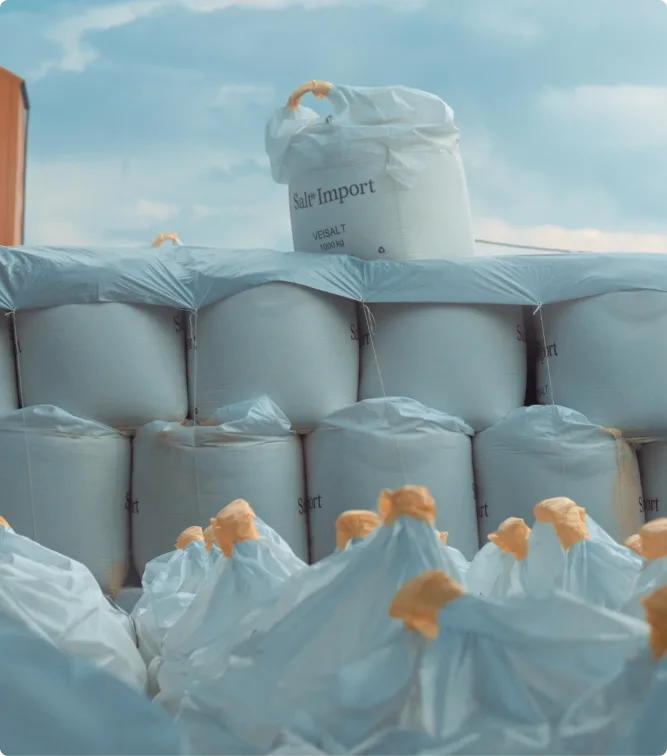
Sea salt is one of the products Saltimport has supplied to customers since 1915. The sea salt we offer is produced in the Mediterranean region, in Spain, Tunisia, Italy and Egypt, and we distribute it from terminals strategically placed along the Norwegian coast.
Two applications, two grades
Sea salt for roads
Sea salt for roads is used across large parts of Norway. It contains a small amount of anti-caking agent (100 mg/kg), which keeps the salt from clogging the spreading equipment on gritting lorries. The salt is then spread evenly on the road and works well for melting snow and ice.
Andreas, a salt specialist at Saltimport, recommends sea salt for snow melting. The relatively coarse grain means the salt stays on the road for a long time and gives a lasting effect. Sea salt dissolves more slowly than rock salt, for example, which is the preferred road salt in some parts of the country.
Sea salt for roads works well down to minus 6 degrees. For temperatures down towards minus 40 degrees we recommend calcium chloride, which works 10 times better than sea salt for roads and is the most sustainable product. We supply road salt in bulk, in 25 kg sacks on pallets and in big bags of 500 kg or 1,000 kg.
Sea salt for fish
Sea salt for fish has been used by the Norwegian fishing industry for more than 100 years.
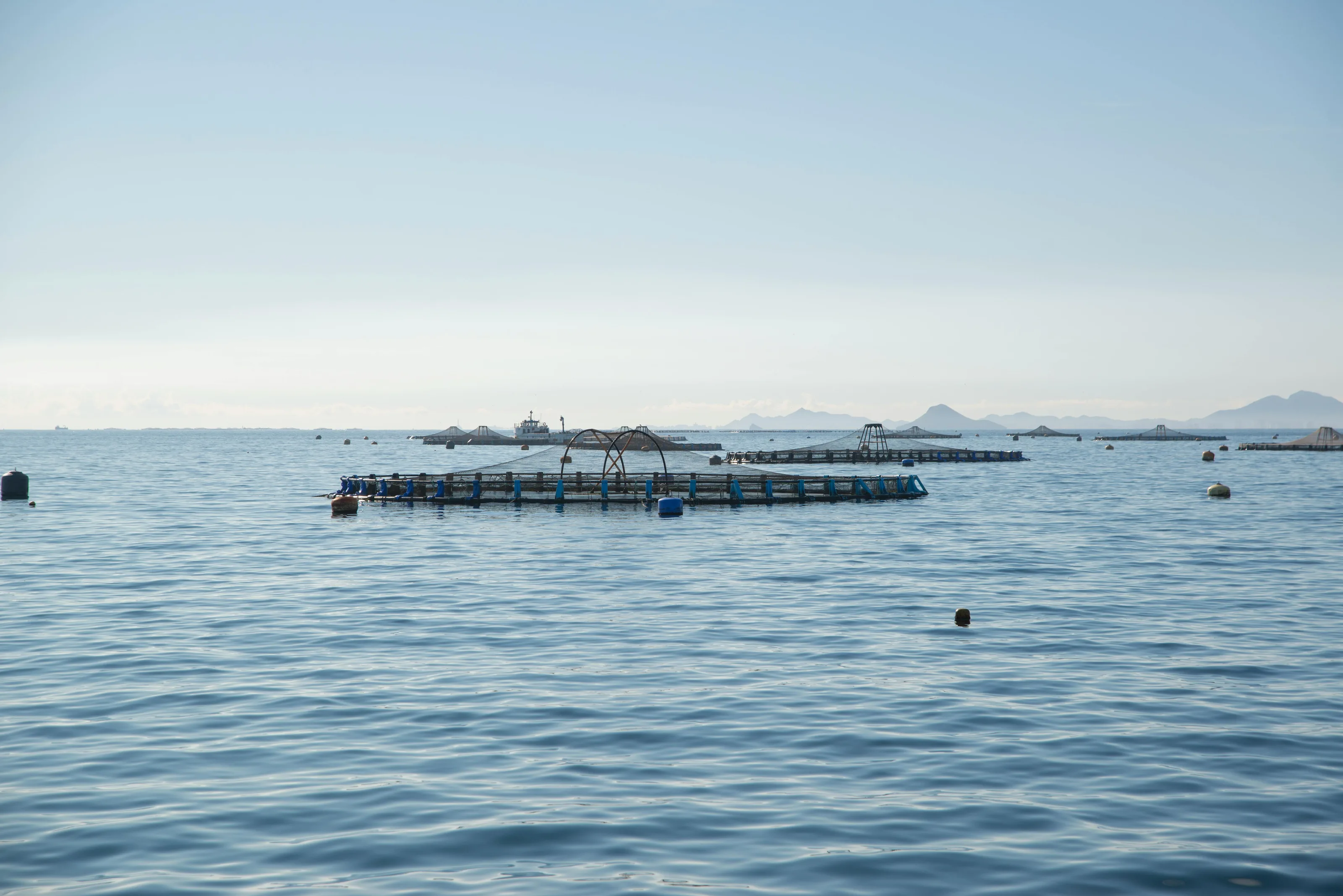
Sea salt for the fisheries is a cleaner product than sea salt for roads, and goes through a washing and centrifuging process before it is finished. It contains a very small amount of anti-caking agent, approved by the Norwegian Food Safety Authority. Purity and whiteness matter a great deal to producers of salted fish and klippfisk and to fish farmers in Norway, because many markets use them as a measure of the fish's quality.
New use in land-based aquaculture
In recent years, land-based aquaculture built on RAS technology (Recirculating Aquaculture Systems) has grown quickly. The water is cleaned so that large volumes of the same water can circulate through the tanks. This reduces water consumption, and salt is added at the operator's own discretion.
Saltimport is a leading adviser on the use and dosage of salt in aquaculture, and works closely with the Faroe Islands and Iceland to stay up to date. In the Faroe Islands, salt is used in all smolt facilities, for acclimatisation to sea water and to optimise fish health before release into the sea. Iceland is moving in the same direction.
Talk to a salt specialist
If you would like to know more about our range of salt for the fishing industry, call one of our salt specialists on 55 33 24 00.